português
 English
 français
 Deutsch
 italiano
 русский
 español
 العربية
 Nederlands
 한국의
한국의 Romania
 Bulgaria
 Melayu

Como tecnologia fundamental no campo da conversão de energia limpa, células de combustível de hidrogênio Em ambientes de laboratório, essas tecnologias demonstram consistentemente um potencial de desempenho quase perfeito — alta eficiência, alta densidade de potência, excelentes características de inicialização e estabilidade —, tornando-as uma "estrela tecnológica" no setor de energia limpa. No entanto, quando a tecnologia é ampliada de células individuais de pequena área em laboratório para aplicações reais, como sistemas de energia automotiva e geração de energia distribuída, sua eficiência, estabilidade de potência de saída e durabilidade frequentemente sofrem degradação significativa, tipicamente variando de 20% a 50%. Isso representa, essencialmente, uma concentração de problemas de múltiplas dimensões, incluindo propriedades dos materiais, integração de componentes e regulação do sistema, quando ampliada.
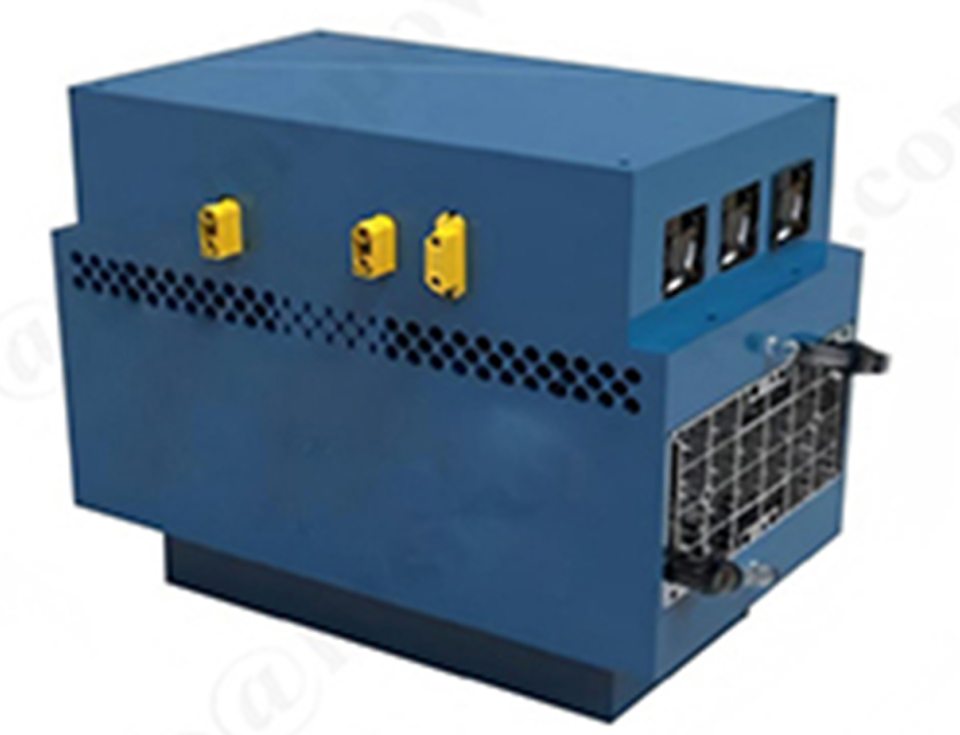
O cerne dos testes laboratoriais para células a combustível é o "controle preciso e a eliminação de interferências". Tomando como exemplo o protocolo de testes do Departamento de Energia dos EUA (DOE), internacionalmente aceito, o processo de teste exige a manutenção de temperatura constante (tipicamente entre 60 e 80 °C), umidade constante (umidade relativa de 80% a 100%) e gás reagente de alta pureza (pureza do hidrogênio de 99,97%, teor de impurezas). <10 ppm) e condições de carga estáveis. Baterias de célula única de pequena área (tipicamente No entanto, as aplicações no mundo real são repletas de incertezas: em sistemas de propulsão automotiva, ciclos frequentes de partida e parada, aceleração e desaceleração rápidas causam flutuações drásticas de carga; a geração de energia distribuída exige o controle de variações diurnas de temperatura, mudanças na umidade e fornecimento de hidrogênio com diferentes graus de pureza; até mesmo dispositivos portáteis enfrentam variações aleatórias na temperatura ambiente e nas condições de fluxo de gás. Mais importante ainda, o equipamento de controle preciso de temperatura e umidade usado em testes de laboratório, desconsiderando o consumo de energia, precisa ser alimentado pela própria célula de combustível em sistemas reais, reduzindo ainda mais a potência de saída efetiva. Por um lado, ciclos frequentes de partida e parada e mudanças de carga em aplicações causam flutuações drásticas no potencial do cátodo entre 0,4 e 1,0 V. Essa ciclagem de potencial acelera o processo de dissolução-redeposição de nanopartículas de platina (Pt), levando ao crescimento das partículas e à corrosão eletroquímica do suporte de carbono, causando, em última instância, o desprendimento das partículas do catalisador. Dados de testes de estresse acelerado do Consórcio USDRIVE, nos Estados Unidos, mostram que, em testes que simulam 100.000 km de condições de condução de veículos de passageiros, a área da superfície ativa do catalisador aumenta. Catalisador de Pt diminuiu 42% em 1000 horas, enquanto em testes de estado estacionário em laboratório, a taxa de perda no mesmo período foi de apenas 8%. Por outro lado, gases de impureza em cenários reais agravam o envenenamento do catalisador. O hidrogênio de alta pureza (impurezas) Na operação real, as mudanças na carga da célula a combustível são acompanhadas por flutuações na quantidade de água produzida na reação, fazendo com que a membrana de troca de prótons passe repetidamente pelo processo de "absorção e expansão de água - perda e contração de água", gerando tensão mecânica contínua, o que, em última instância, leva à propagação de fissuras e perfuração da membrana. Dados de pesquisa do Instituto Max Planck, na Alemanha, mostram que, em testes dinâmicos de ciclagem de umidade simulando condições automotivas, a resistência à tração de membranas de troca de prótons perfluoradas diminuiu 30% após 500 ciclos, e fissuras significativas apareceram após 1000 ciclos. Simultaneamente, durante a operação da célula a combustível, regiões de baixo potencial e alta concentração de oxigênio geram radicais hidroxila (•OH). Essas substâncias fortemente oxidantes atacam a cadeia polimérica da membrana, levando a uma diminuição do peso molecular, danos à estrutura do aglomerado iônico e, por fim, à perda da condutividade protônica. Os testes mostram que a taxa de liberação de íons fluoreto da membrana perfluorada em condições dinâmicas atinge 1,2 pg/(cm²·h), o que é 12 vezes maior do que em condições de umidade constante em laboratório (0,1 pg/(cm²·h)). A grande liberação de íons fluoreto reflete diretamente o grau de degradação da estrutura da membrana. A integração de sistemas introduz perdas de eficiência e atrasos na resposta dinâmica. Em operação real, o sistema de Balanceamento de Produção (BOP), que fornece ar, umidade e refrigeração para a pilha de células a combustível, consome uma quantidade significativa de energia, podendo reduzir a eficiência líquida do sistema de mais de 55% em laboratório para cerca de 40%. Simultaneamente, em condições dinâmicas, como aceleração rápida do veículo ou paradas e partidas, a velocidade de resposta desses sistemas auxiliares fica muito aquém das mudanças na demanda de energia, resultando em quedas instantâneas de potência e agravando os danos a componentes críticos, como a membrana de troca de prótons, acelerando assim a degradação do desempenho geral do sistema. Dados reais do veículo de célula a combustível Toyota Mirai confirmam esse fenômeno: a eficiência máxima da pilha é de 58%, mas a eficiência líquida de todo o sistema de energia é de apenas 42%, sendo a principal diferença as perdas dos sistemas auxiliares. Superar a lacuna de desempenho entre os ambientes de "laboratório" e "mundo real" exige avanços colaborativos em três dimensões: métodos de teste, projeto estrutural e integração de sistemas. Primeiramente, é necessário estabelecer um sistema de testes que reflita fielmente as condições reais de operação dinâmica. Com base nos testes em regime permanente, é preciso introduzir normas de testes dinâmicos que considerem variáveis ambientais e ciclos de carga. Ao replicar as condições reais de operação, a fragilidade dos materiais e componentes pode ser identificada antecipadamente, reduzindo a discrepância entre os dados de laboratório e os dados obtidos em situações reais. Em segundo lugar, é necessário otimizar a estrutura e os materiais das baterias de grande área. Para solucionar os problemas de heterogeneidade após o aumento de escala, eletrodos com gradiente e canais de fluxo biomiméticos podem ser aplicados para reduzir as variações na densidade de corrente. Simultaneamente, materiais-chave, como catalisadores altamente estáveis e membranas de troca de prótons com capacidade de autorreparação, podem ser desenvolvidos para melhorar a durabilidade desde a origem. Terceiro, promover o projeto de sistemas integrados. O consumo de energia pode ser reduzido otimizando o projeto estrutural dos sistemas auxiliares. Futuro e Perspectivas: A tecnologia de células a combustível está continuamente a colmatar a lacuna entre o "laboratório" e as "aplicações no mundo real" através da inovação colaborativa multidisciplinar. Com uma compreensão mais profunda dos sistemas de células a combustível de hidrogénio, os investigadores conseguem prever com maior precisão o desempenho das baterias em larga escala e otimizar as estruturas de design das pilhas, acelerando assim a maturação e a aplicação em larga escala desta tecnologia de energia limpa.2.Mecanismo de desativação dinâmica de catalisadores
3. Degradação combinada do Membrana de troca de prótons:
4.A superposição de inhomogeneidades e perdas do sistema:
5. Da simulação das condições de operação ao projeto integrado



 IPv6 SUPORTADO POR REDE