português
 English
 français
 Deutsch
 italiano
 русский
 español
 العربية
 Nederlands
 한국의
한국의 Romania
 Bulgaria
 Melayu

Quando se trata de indústrias focadas na gestão sustentável da água, a indústria química equipamentos de tratamento de água Realmente desempenha um papel vital. Quero dizer, David Smith, que é praticamente um especialista em tecnologia de tratamento de água, disse certa vez: "Equipamentos de qualidade são a espinha dorsal de um tratamento de água eficaz". É um bom lembrete de por que é tão importante escolher fornecedores certificados.
Na China, há algumas empresas que realmente se destacam como fornecedoras de ponta com certificação CE. São elas que garantem que seus produtos atendam aos rigorosos padrões internacionais, muitas vezes incorporando tecnologia de ponta em seus equipamentos. Mas aqui está o ponto: nem todos os fornecedores estão no mesmo nível. Alguns podem atender a altos padrões, enquanto outros podem ficar aquém, então pesquisar um pouco é definitivamente essencial.
O mercado está em constante mudança e, honestamente, alguns fornecedores estão com dificuldades para acompanhar ou lançar novas inovações. Por isso, se você pretende entrar nesse ramo, precisa avaliar criticamente suas opções. Sim, pode parecer muita informação, mas vale totalmente a pena. Fazer escolhas bem informadas pode realmente fazer a diferença na eficácia do seu tratamento de água.
A certificação CE é vital para equipamentos de tratamento químico de água no mercado global atual. Ela garante que os produtos atendam aos rigorosos padrões europeus de segurança e meio ambiente. De acordo com a Comissão Europeia, cerca de 34% dos equipamentos industriais importados não atendem às diretrizes da CE. Essa estatística ressalta a importância de selecionar fornecedores certificados, principalmente no setor químico.
Escolher um fornecedor confiável exige atenção aos detalhes. Procure empresas que demonstrem um sólido conhecimento dos requisitos da marcação CE. Elas devem fornecer documentação que comprove a conformidade com as normas da UE. Um fornecedor de qualidade geralmente passa por auditorias e testes regulares. Essa diligência garante a eficácia e a segurança do equipamento, reduzindo os potenciais riscos operacionais.
Dica: Sempre solicite uma cópia do certificado CE. Verificar este documento pode evitar problemas de conformidade no futuro. Mantenha-se atualizado sobre as regulamentações, pois elas mudam com frequência. Avalie os fornecedores com base em seu histórico e no feedback dos clientes. Uma escolha bem informada pode aumentar significativamente a eficiência operacional.
O mercado de tratamento químico de água na China está experimentando um crescimento significativo. Relatórios recentes indicam que o tamanho do mercado deverá atingir aproximadamente US$ 10 bilhões até 2025. Esse crescimento é atribuído à crescente industrialização e urbanização. Indústrias como a de manufatura e a farmacêutica são as principais responsáveis por essa demanda.
Com regulamentações ambientais mais rigorosas, as empresas estão investindo em equipamentos avançados para tratamento químico da água. Essa mudança visa melhorar a qualidade da água e garantir a conformidade. Um estudo destaca que 70% do setor está focado na adoção de tecnologias ecologicamente corretas. No entanto, ainda existem desafios. Muitos fornecedores enfrentam dificuldades com tecnologias obsoletas e altos custos operacionais.
Novos participantes estão entrando no mercado, trazendo soluções inovadoras que atendem a diversas necessidades industriais. No entanto, a falta de padrões pode levar a inconsistências. Isso torna essencial que os compradores realizem pesquisas minuciosas. O mercado é dinâmico e manter-se informado é fundamental para uma tomada de decisão eficaz.
A China emergiu como uma nação líder na produção de equipamentos químicos para tratamento de água, com muitos fornecedores obtendo a certificação CE. Essa certificação garante que os produtos atendem aos padrões de segurança e ambientais da UE. De acordo com relatórios do setor, mais de 40% dos equipamentos para tratamento de água na Ásia agora são provenientes da China, refletindo sua crescente influência no mercado global.
Os principais fornecedores da China priorizam algumas características essenciais. Em primeiro lugar, enfatizam a inovação. Muitos investem significativamente em pesquisa e desenvolvimento. Dados recentes mostram que os gastos com P&D dos principais fornecedores aumentaram 25% no último ano. Esse investimento resulta em sistemas de tratamento mais eficientes e ecologicamente corretos. Além disso, esses fornecedores seguem rigorosos processos de controle de qualidade. Muitos realizam testes para garantir a conformidade com os padrões internacionais, embora ainda possam surgir inconsistências na produção.
O suporte ao cliente também desempenha um papel crucial. Os principais fornecedores oferecem treinamento abrangente e assistência 24 horas por dia, 7 dias por semana, aos clientes. No entanto, algumas empresas têm dificuldades em manter esses padrões de forma consistente. O feedback dos clientes indica que os tempos de resposta variam significativamente. No geral, embora muitos fornecedores demonstrem grande capacidade, existem lacunas em termos de confiabilidade e serviço que precisam ser abordadas.
Os equipamentos para tratamento químico de água desempenham um papel vital para garantir que a água atenda aos padrões de segurança. A conformidade com as normas do setor é crucial. A certificação CE é uma forma de validar a segurança e a eficácia do equipamento, demonstrando que o produto atende aos padrões de segurança europeus. Isso é especialmente importante quando se trata de saúde pública.
Muitos fornecedores na China estão buscando a certificação CE. No entanto, nem todos cumprem integralmente as normas necessárias. Isso levanta dúvidas sobre a confiabilidade de certos equipamentos. Os fabricantes devem demonstrar que seus produtos funcionam em diversas condições. Os testes são essenciais para garantir a qualidade e a durabilidade. Os equipamentos devem resistir à corrosão e operar com eficiência ao longo do tempo.
O setor parece saturado, mas ainda existem lacunas. Enquanto algumas empresas se destacam, outras deixam a desejar no quesito garantia de qualidade. A transparência é essencial para fomentar a confiança. Os compradores devem avaliar cuidadosamente as certificações e a documentação. Devem ir além das alegações superficiais para tomar decisões informadas. O foco deve ser sempre alcançar a melhor qualidade da água possível. As normas ajudam a orientar esse processo, mas uma avaliação rigorosa é fundamental para o sucesso.
O setor de tratamento de água na China está em rápida expansão. Em 2021, o tamanho do mercado atingiu aproximadamente US$ 38 bilhões. Esse crescimento reflete o aumento da demanda por água potável e regulamentações ambientais mais rigorosas. O setor é altamente competitivo, com inúmeras empresas disputando participação de mercado.
Relatórios recentes indicam que diversas empresas dominam o mercado. Esses principais players detêm, em conjunto, cerca de 45% da participação total de mercado. Suas tecnologias incluem sistemas avançados de filtragem, equipamentos de dosagem química e métodos inovadores de desinfecção. No entanto, existem desafios. Por exemplo, novos entrantes enfrentam dificuldades com os altos custos iniciais e a necessidade de conhecimento técnico especializado.
Além disso, a busca contínua pela sustentabilidade complica a dinâmica do setor. As empresas precisam se adaptar a práticas ecologicamente corretas, mantendo a eficiência. Há lacunas no cumprimento das normas entre os fornecedores menores. Essa inconsistência pode dificultar o progresso na conquista das metas nacionais de qualidade da água. O futuro do setor dependerá do equilíbrio entre lucratividade e responsabilidade ambiental.
No setor de tratamento químico de água, a inovação é fundamental. Os fornecedores com certificação CE na China lideram o movimento com tecnologias avançadas que aumentam a eficiência e a sustentabilidade. Esses fornecedores se concentram na criação de sistemas que não apenas purificam a água, mas também reduzem o consumo de energia. A filtração por membrana e os processos avançados de oxidação são excelentes exemplos. Eles utilizam materiais de ponta que superam os métodos tradicionais.
Os desenvolvimentos recentes mostram uma mudança em direção à automação. Muitos fornecedores estão integrando tecnologias inteligentes em seus sistemas. Sensores habilitados para IoT e ferramentas de monitoramento fornecem dados em tempo real, permitindo uma melhor gestão de recursos. No entanto, esse salto tecnológico traz consigo desafios. A complexidade dos sistemas pode ser intimidante para alguns usuários. Treinamento e capacitação tornam-se cruciais para maximizar o uso dessas inovações.
A sustentabilidade continua sendo um foco central. Os fornecedores estão experimentando materiais e processos ecologicamente corretos. Essa mudança levanta questões sobre os custos iniciais versus as economias a longo prazo. Embora alguns possam achar os preços altos, os benefícios geralmente justificam o investimento. Estudos de caso destacam reduções significativas no desperdício e no consumo de energia. Diante dos obstáculos à implementação, a colaboração entre as partes interessadas é essencial para o sucesso.
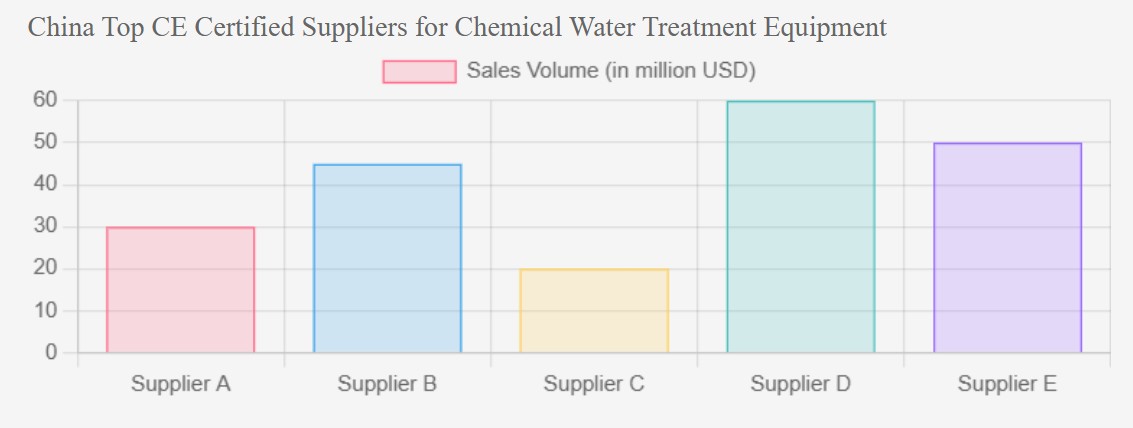
Este gráfico de barras ilustra o volume de vendas dos principais fornecedores com certificação CE no setor de equipamentos para tratamento químico de água na China. Os valores representam milhões de dólares americanos em vendas, indicando o cenário competitivo e o tamanho do mercado para esses fornecedores.
A certificação CE desempenha um papel crucial para os fornecedores chineses de equipamentos para tratamento químico de água. Ela aumenta a credibilidade e abre portas para os mercados internacionais. Relatórios recentes indicam que mais de 70% dos compradores europeus preferem fornecedores com a marca CE. Essa preferência não se baseia apenas na segurança, mas também na confiabilidade e na conformidade com as normas.
O impacto da certificação CE nas oportunidades de exportação não pode ser ignorado. Uma pesquisa indicou que empresas com certificação CE registraram um aumento de 40% nas exportações. Esse crescimento substancial destaca a importância da certificação para atender às exigências internacionais de qualidade. Não se trata apenas de um selo; ela garante aos potenciais compradores a segurança e a eficácia do produto.
Dicas: Invista tempo em compreender as normas de CE para evitar possíveis atrasos na certificação. Realizar auditorias regulares pode ajudar a manter a conformidade. Ser proativo na gestão da qualidade aumenta a competitividade. Considere colaborar com especialistas em certificação para lidar com processos complexos.
Este artigo explora a importância da certificação CE para equipamentos de tratamento químico de água na China, enfatizando suas implicações para os padrões de qualidade e segurança. Com uma compreensão aprofundada da certificação CE, o texto descreve a dinâmica do mercado de tratamento químico de água na China, destacando os atributos essenciais que distinguem os principais fornecedores certificados pela CE.
Além disso, o artigo examina os padrões da indústria e as medidas de conformidade que regem os equipamentos de tratamento de água, analisando também as quotas de mercado e os principais intervenientes do setor. O texto explora ainda as inovações tecnológicas lideradas por fornecedores com certificação CE e discute como a certificação aumenta as oportunidades de exportação para os fabricantes chineses, posicionando-os, assim, de forma competitiva no mercado global de equipamentos químicos para tratamento de água.
PERGUNTAS FREQUENTES:
Qual a importância dos equipamentos de tratamento químico de água?
Isso garante que a água atenda aos padrões de segurança e proteja a saúde pública.
Como podemos verificar a segurança dos equipamentos de tratamento de água?
A certificação CE indica que o equipamento atende aos padrões de segurança europeus.
Todos os fornecedores cumprem as normas do setor?
Nem todos os fornecedores cumprem as normas necessárias, o que levanta preocupações quanto à confiabilidade.
Que fatores os compradores devem considerar ao escolher equipamentos?
Avalie as certificações e a documentação. Vá além das alegações superficiais.
Que tecnologias estão sendo adotadas no tratamento de água?
Tecnologias avançadas, como filtração por membrana e automação, aumentam a eficiência.
Quais são os desafios que surgem com as novas tecnologias de tratamento de água?
A complexidade dos sistemas pode ser intimidante. O treinamento é essencial para gerenciá-los com eficácia.
Como os fornecedores estão abordando a sustentabilidade no tratamento de água?
Eles exploram materiais e processos ecologicamente corretos, equilibrando custos e economia.
Por que a transparência é importante na indústria de tratamento de água?
Isso gera confiança entre fornecedores e compradores, garantindo o controle de qualidade.
O que as partes interessadas devem fazer para a implementação bem-sucedida de inovações?
A colaboração é essencial para superar desafios e maximizar benefícios.
Qual é uma limitação comum enfrentada pelas empresas do setor?
Algumas empresas têm dificuldades em manter um nível consistente de qualidade e confiabilidade.



 IPv6 SUPORTADO POR REDE